IACUC
Institutional Animal Care and Use Committee
The Institutional Animal Care and Use Committee (IACUC) must approve any use of live vertebrate animals in research and teaching at Central Washington University.
The IACUC has the broader goals of (1) reducing the number of animals used and minimizing any discomfort they may experience, (2) helping researchers seek alternatives to animal-based models, and (3) protecting the health and safety of those involved in research with animals.
-
Requirements for Animal Research
A number of requirements must be met by any individual wishing to be involved in activities with live vertebrate animals:
- Obtain approval from the IACUC for research and teaching projects
- Applications for new animal activities must be completed by Principal Investigators (PIs)
- Obtain medical clearance through CWU's Occupational Health and Safety Program
- Complete training requirements (may vary based on specific animal species used)
- CITI Program online courses
- Hands-on training of specific procedures (often with a faculty mentor)
- If required, obtain relevant permits (e.g., state permits for collection/handling of animals)
**Note: The IACUC will not issue approval of new protocol submissions until all listed personnel have completed the above requirements. The IACUC will not issue approval for a new individual (student, faculty, or staff) to take part in animal activities listed under a previously approved protocol until the PI has added that individual as an amendment/modification to their protocol and that individual has completed the above requirements.**
PIs must notify submit any modifications to their protocol for IACUC review. This includes changes in personnel, number or species of animals used, etc.
To maintain approval on an existing protocol, PIs must submit Annual Review forms (for protocols lasting longer than one year) and Final Report forms when their study has concluded.
- Obtain approval from the IACUC for research and teaching projects
-
IACUC Committee and Responsibilities
The committee is made up of several members who all have an interest in the well-being of animals. Committee members include a veterinarian, practicing scientists experienced in research involving animals, a nonscientist, and a community member who represents the public interest.
Responsibilities of the IACUC are federally mandated and include (but are not limited to) reviewing protocols, inspecting animal care facilities, ensuring all research personnel are appropriately trained, and investigating/reporting noncompliance.
-
Basics of IACUC
What do I have to do to use vertebrate animals in research or teaching?
To start, you need to submit a protocol application describing the proposed activities, specifying the number of animals to be used, and justifying the use of vertebrate animals for your work. The IACUC will not approve proposed activities until the above requirements have been met by all personnel listed under the protocol.Why do I have to do this?
As a society, we have a responsibility to protect animals from unnecessary stress and suffering. To this end, federal regulations mandate that all institutions have an IACUC to review all use of live vertebrate animals in research and teaching.Who needs to submit a protocol application?
All faculty, students, or staff conducting research or teaching that involves live vertebrate animals must have prior IACUC approval.When do I have to do this?
Approval of a protocol application must occur prior to the start of research or teaching activities involving vertebrate animals, meaning applications should be submitted well before the intended start date for those activities. To help ensure timely review of a protocol, refer to the Protocol Submission Deadlines for each month.How do I start the protocol application process?
Log into IRB Manager and under Forms select New IACUC application. -
Contact Information
For further information, contact:
Dr. April Binder, IACUC Chair
April.Binder@cwu.edu-or-
Mason Low, Research Compliance Administrator
mason.low@cwu.edu-or-
Central Washington University
Institutional Animal Care and Use Committee
400 East University Way
Ellensburg, WA 98926-7510
CWU News
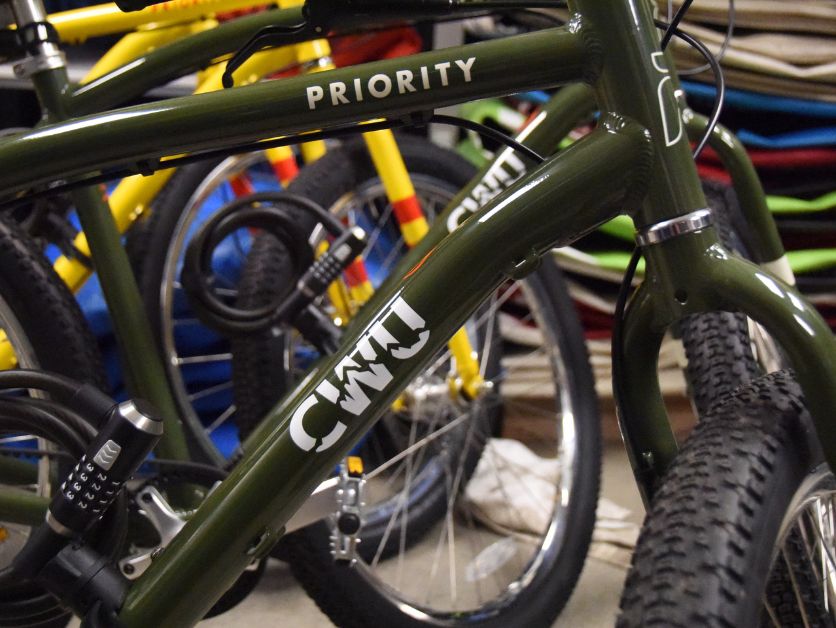
CWU to launch Bike Share pilot program in spring
January 28, 2026 by Rune Torgersen

CWU Trustees to Hold Special Virtual Meeting on Friday
January 28, 2026 by Dania Cochran