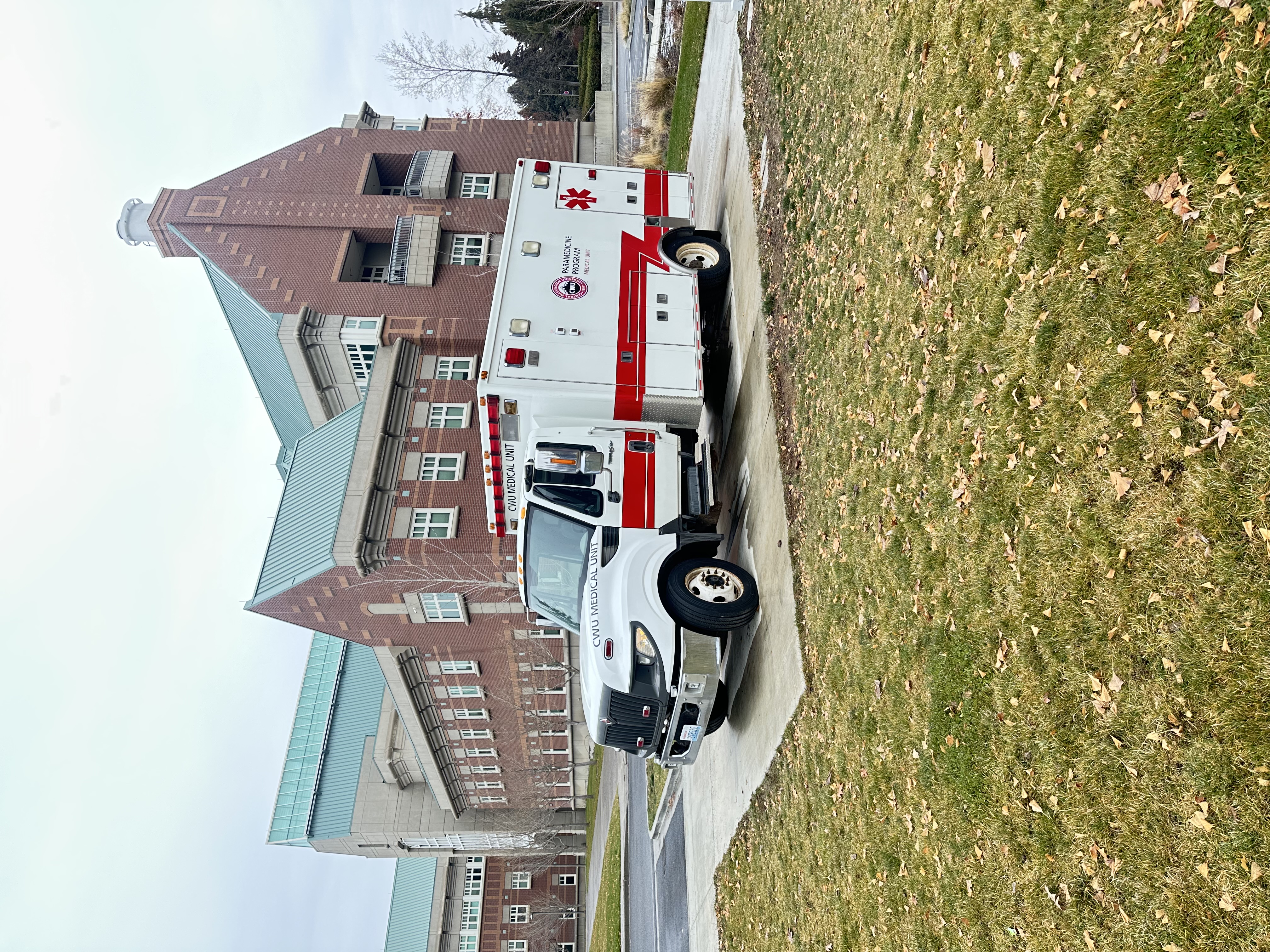
Critical Care Paramedic Information
Critical Care Paramedic & Nurse/ Advanced EMT
Elevate Your Practice. Transform Your Future.
Spring 2026 | Central Washington University
Applications open February 1st!
View our Critical Care Application
Email your complete application to Natalie.Baldwin@cwu.edu by March 1st.
Why This Course?
Critical care transport is no longer just a specialty—it’s a necessity. As the demand for advanced-level paramedics and transport nurses grows, so does the need for focused, high-impact education that prepares providers for the highest levels of clinical care.
Whether you're a seasoned paramedic, a flight crew hopeful, or an RN stepping into mobile critical care, this course will push your clinical thinking, sharpen your skills, and elevate your readiness for today’s complex transport environments.
Course Highlights
- One-quarter intensive training ALL ONLINE lectures
- Designed for certified paramedics & nurses
- Led by experts, including a local ED Director and former LifeFlight paramedic
- Hands-on simulations, advanced labs, real-world case studies
- Prepares you to sit for the CCP-C certification exam by the International Board of Specialty Certifications (IBSC)
What You’ll Learn
This course bridges the knowledge gap between standard ALS training and the high-acuity world of critical care transport. Students will gain clinical confidence in:
-
Advanced assessment & pathophysiology
-
Mechanical ventilation & respiratory management
-
Hemodynamic monitoring & interpretation
-
ECMO & Portable Ultrasound
-
Pharmacology for the critically ill
-
Neonatology and advanced cardiology
Learning in Action
You won’t just sit through lectures—you’ll be immersed in realistic, high-stakes learning every step of the way:
- Simulated Patient Scenarios
- Hands-On Skills with ventilators, IV pumps, and portable ultrasound
- Case Study Discussions
- Interdisciplinary Role Play
- Final Team-Based Simulation & Presentation
Core Learning Outcomes
By the end of the course, you’ll be able to:
-
Rapidly assess & triage critically ill patients in dynamic transport environments
-
Interpret and respond to hemodynamic data and ventilator readings
-
Administer & titrate advanced medications with confidence and precision
-
Collaborate effectively in a multidisciplinary care team
-
Manage invasive airways & high-acuity procedures with skill and safety
-
Navigate ethical decisions in time-sensitive, high-pressure environments
Required Materials
-
Textbook: Critical Care Transport, 3rd Edition
-
Supplemental: Clinical guidelines, transport protocols, and multimedia resources provided in class
Who Should Enroll?
This course is designed for:
-
Certified EMT-Paramedics looking to specialize in critical care
-
Flight paramedic or CCT candidates seeking CCP-C prep
-
RN's interested in expanding into mobile critical care
-
EMS professionals aiming to sharpen their advanced clinical skills
Prerequisites:
-
Certified EMT-Paramedic status/ OR Certified Registered Nurse
-
Recommended: 1+ year experience in a clinical or field setting
At the conclusion of this course you should be prepared to take the Critical Care Transport board exam through the International Board of Specialty Certifications (IBSC).
ADVANCED EMERGENCY MEDICAL TECHNICIAN COURSE:
Interested in taking the next steps in your EMT journey? CWU is considering starting an Advanced EMT course (AEMT). If you would be interested in taking this course please email Emily.Gonzalez3@cwu.edu and let us know you want this course to be offered!
An Advanced EMT has expanded scope practice that includes:
All duties of an Emergency Medical Technician (EMT) and additional advanced procedures, including initiating and maintaining IV and IO access in unconscious patients, administering a range of medications for conditions such as anaphylaxis, cardiac arrest, bradycardia, opioid overdose, bronchospasm, pain, and fever, as well as performing tracheobronchial suctioning and ECG interpretation for life-threatening arrhythmias. AEMTs may also administer immunizations during public health emergencies or flu seasons, maintain IV infusions started in medical facilities, and distribute medications as part of mass distribution efforts. They are trained to use manual defibrillators and interpret key cardiac rhythms such as ventricular fibrillation, pulseless electrical activity, and asystole.
Check out this video of our EMS students in action!
CWU News
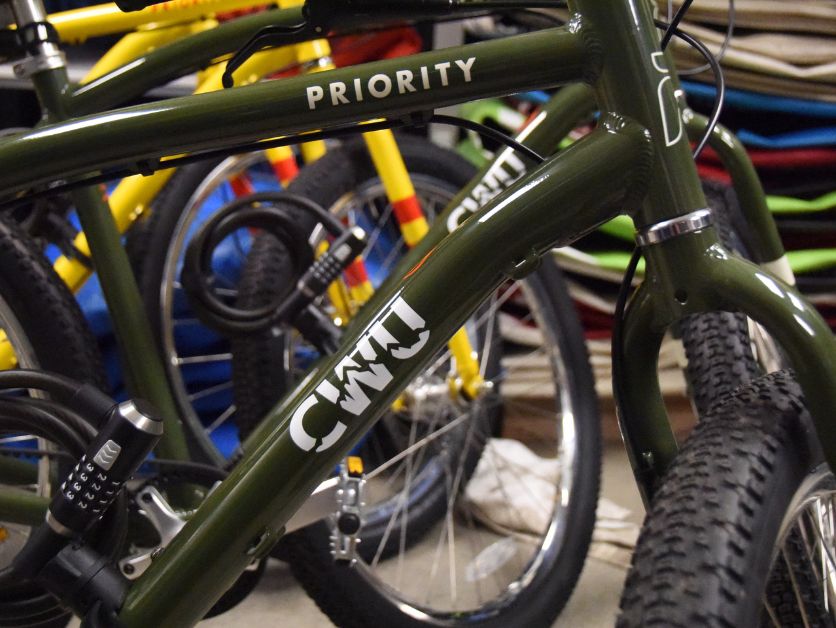
CWU to launch Bike Share pilot program in spring
January 28, 2026 by Rune Torgersen

CWU Trustees to Hold Special Virtual Meeting on Friday
January 28, 2026 by Dania Cochran