
Scholarships
Announcements
Scholarship Central is the CWU general scholarship application. It is open from October through February to all current and incoming students.
Federal Student Aid - Children of Fallen Heroes Scholarship
A Pell-eligible student whose parent or guardian died in the line of duty while performing as a public safety officer is eligible to receive a maximum Pell Grant for the award year for which the determination of eligibility is made. To qualify for this scholarship, a student must be Pell-eligible and have a Pell-eligible EFC (up to 5486 for the 2018-2019 award year), and be less than 24 years of age or enrolled at an institution of higher education at the time of his or her parent’s or guardian’s death.
Contact the Financial Aid Office for more information.
The C. Farrell Fine Arts and Research Scholarship funds art projects and research based in Kittitas county. It funds up to full tuition plus a book allowance and approved project costs.
Scam Warning
Central Washington University does not use third-party advertisers to notify students of CWU scholarship opportunities. If you receive an e-mail from an outside source such as SimpleTuition.com telling you about a CWU scholarship opportunity, please know that we do not advertise our scholarships through outside sources and all CWU scholarship opportunities are posted exclusively on this website.
Study up on these three red flags, so you don’t fall victim to a scholarship scam:
Paying Money to get Money
Is someone offering you a “guaranteed” scholarship through their “exclusive” access—if only you cover the application or processing costs first? That should set off alarm bells.
Most legitimate scholarships are out to give students money, not collect money.
Pressing for Personal Details
Does the application ask for intimate details like credit card numbers, Social Security numbers, or bank account information? Then it’s probably not legit.
At the very least, you and your friends or parents might find yourselves on a bunch of marketing lists. “Many companies offer small ‘scholarships’—which are really often just lotteries to get students to enter their personal information for marketing purposes,” says Kim Clark, assistant director of the Education Writers Association.
“Some require the students to enter contact information for their parents, in return for a chance at $500 or $1,000,” she says. “That's a cheap way for companies to get lots of personal information about potential customers. It’s like buying a lottery ticket.”
Then there’s the more dangerous scenario: The scammer is using that collected data to perpetuate fraud or identity theft in your name.
Showing up out of the Blue
A letter shows up in your mailbox, or an email in your inbox, or a paid advertisement in your social-media feeds. It’s got good news: You have already won a scholarship!
Sorry, but it probably is too good to be true. Scholarships don’t usually just land in your lap like that. You’ll need to do the legwork of finding them and applying.
Help shield others by reporting suspected frauds when you encounter them. The National Consumers League collects such complaints and then shares the details with law enforcement agencies and the Federal Trade Commission.
(excerpted from Watch Out for These 3 Red Flags of Scholarship Scams by Chris Taylor)
CWU News

CWU to host nationally recognized conservationist tonight at The Ridge
May 11, 2026 by Marketing and Communications
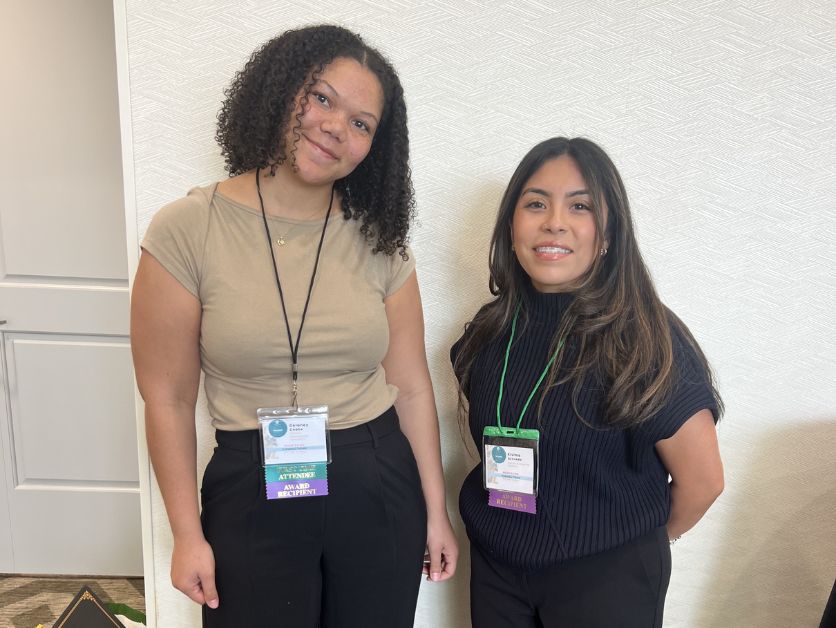
Two CWU Nutrition students earn awards from leading national organization
May 11, 2026 by Rune Torgersen
Questions? Contact Us.
Financial Aid
Bouillon Hall 106